Envío gratis a partir de

Discover LocalMiel

Discover LocalMiel

Since we started this project, we have dedicated practically our lives to knowing, learning, testing and enjoying the inexhaustible world of beekeeping.

After visiting many apiaries, getting to know their landscapes, tasting hundreds of honeys, and talking with many beekeepers from Andalusia (and many places around the world), we want to start a new project:
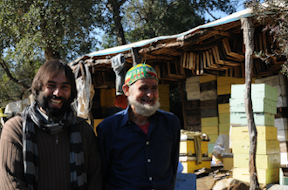
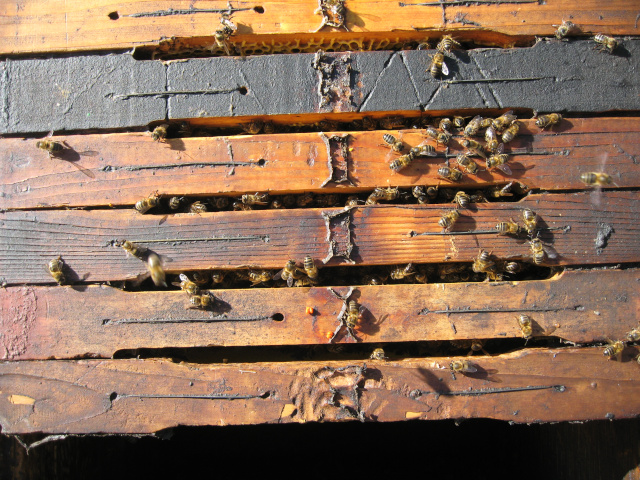
Image of a honeycomb
LocalMiel

Why LocalMiel

Beekeeping, like agriculture, can have very different production methods and practices, ranging from a small farmer's garden to large monoculture plantations. These differences in production methods have significant consequences for the natural environment and the lives of the people who depend on it.

That's why we created LocalMiel, to directly support small-scale beekeepers who, through their daily work, contribute to the conservation of our natural spaces, using resources with minimal impact and producing a product rich in the natural essences of local flowers. Buy their honey so they can live with dignity in the small rural villages that preserve the most traditional culture of Andalusia.

Traditional beekeeping: An alliance between man and nature

Of course, this new range of bee products shares many commonalities with VerdeMiel. Our main objective is to always offer consumers a natural product that harnesses the richness of our ecosystems and our bees.

We seek out landscapes characteristic of Andalusia, where flowering is adapted to our harsh climate, avoiding large populations, highways, and busy roads, far from the expanses of intensive agriculture. These ecosystems, in which humans have coexisted respectfully for centuries, are ideal for practicing traditional beekeeping, where our native bees (Apis mellifera iberiensis) produce a honey rich in flavor, pollen, essential oils, amino acids, and enzymes.

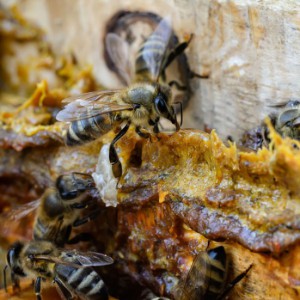
Image of a honeycomb

LocalMiel is different

We are proud to support small-scale Andalusian beekeepers who face stiff competition from imported and cheap honey blends. The know-how of centuries-old traditional beekeeping requires more work and knowledge; an alliance between humankind and nature that we must preserve.

That's why we only sell honey from beekeepers we've visited, spoken with, tasted, and analyzed, and with whom we share a passion for traditional and sustainable beekeeping. What does traditional and sustainable beekeeping mean to LocalMiel?

Traditional beekeeping VS intensive beekeeping

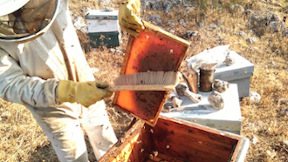
Small beekeepers with family farms of 500/800 hives.

This number of beehives is considered sufficient to earn a living in Andalusia. The reality is that large beekeeping companies with thousands of hives drive down the price of honey on the global market, and our traditional beekeepers would need to establish increasingly more hives to subsist solely on beekeeping. However, this is unfeasible for traditional management practices based on knowledge and utilization of the ecosystem with minimal industrial resources.

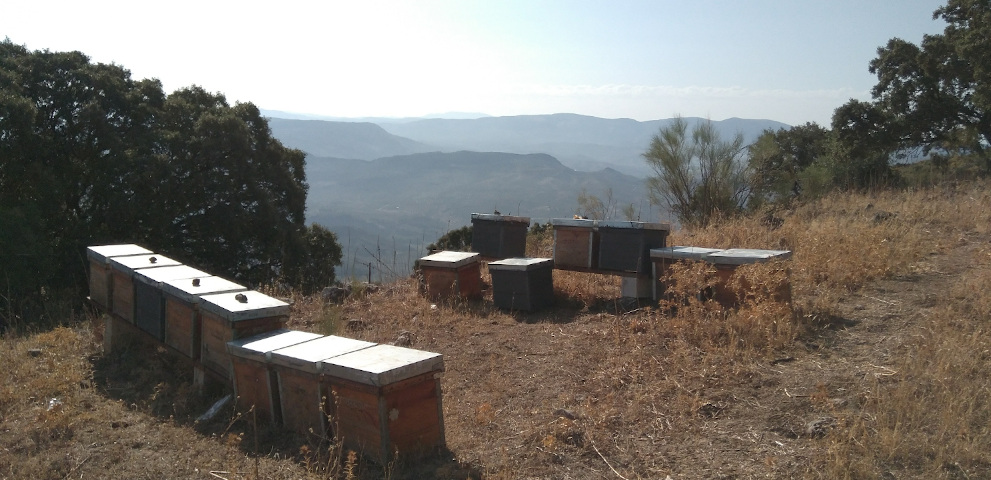
Smaller apiaries depending on the natural food capacity of the place for the hive.

This ensures that under normal conditions, the hive feeds only on the surrounding vegetation, avoiding the constant feeding with sugars and the overstimulation of the hive that are practiced in intensive beekeeping management.

Intensive beekeeping
Sustainable beehive

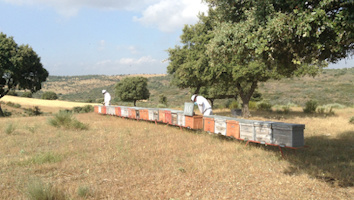
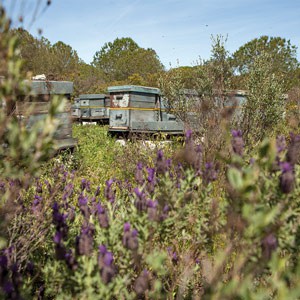
The apiaries are either fixed or move only slightly to local locations.

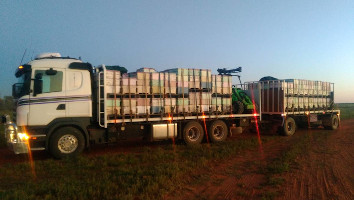
Just as in the migratory movements of birds, where we can observe everything from the kilometer-long migrations of geese to the small migratory movements of some passerines (small birds), we also find these two scales in beekeeping. Intensive beekeeping moves hives hundreds of kilometers in trailers, following the blooms so that the bees always have a source of nectar to produce more honey. The traditional transhumance that the beekeepers of LocalMiel sometimes practice is a movement of a few kilometers between the countryside and the mountains, allowing the bees to continue foraging on wild flowers for a few more weeks in the cooler areas of the surrounding region.

Sustainable beehive

Honey is only harvested once or twice a year when it has the necessary maturation time in the hives and in accordance with the natural cycles of the landscape and the hive.

Unlike more intensive production methods, traditional beekeeping in our region allows only one or two honey harvests per year, after the spring and summer blooms. This occurs during the hive's peak production period, when there is an abundance of honey, leaving the hive with sufficient reserves for the harshest winter season. Only then, when the honey is ripe and capped, do our beekeepers harvest their honey, which boasts an intense flavor and high enzyme content.

The beehives are made of natural materials such as wood or cork,never using fiberglass, polyethylene or plastics recently introduced into modern intensive beekeeping.

Sustainable beehive

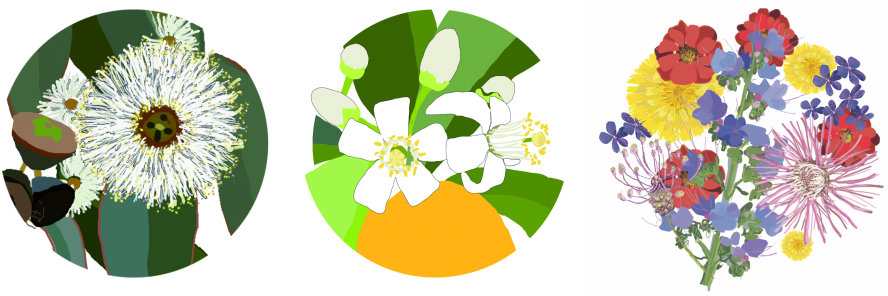
Each jar of LocalMiel is a snapshot that captures the flowers, the weather, and the landscape from which it comes.

After extensive research, we have succeeded in offering you an exquisite product: unblended honeys, unheated, and produced without the use of pumps or other machinery that excessively manipulate the honey during packaging. We also use a meticulous cold-packing process to ensure that enzymes, amino acids, vitamins, pollen, and other components of the honey remain intact in every jar of LocalMiel.

Tu producto ha sido añadido correctamente
Total añadido
Total del carrito
Seguir comprando